Specialised domain
AI Product Design & Copilot Ergonomics
Bridging the gap between probabilistic AI models and deterministic human expectations.
Context
Why it matters.
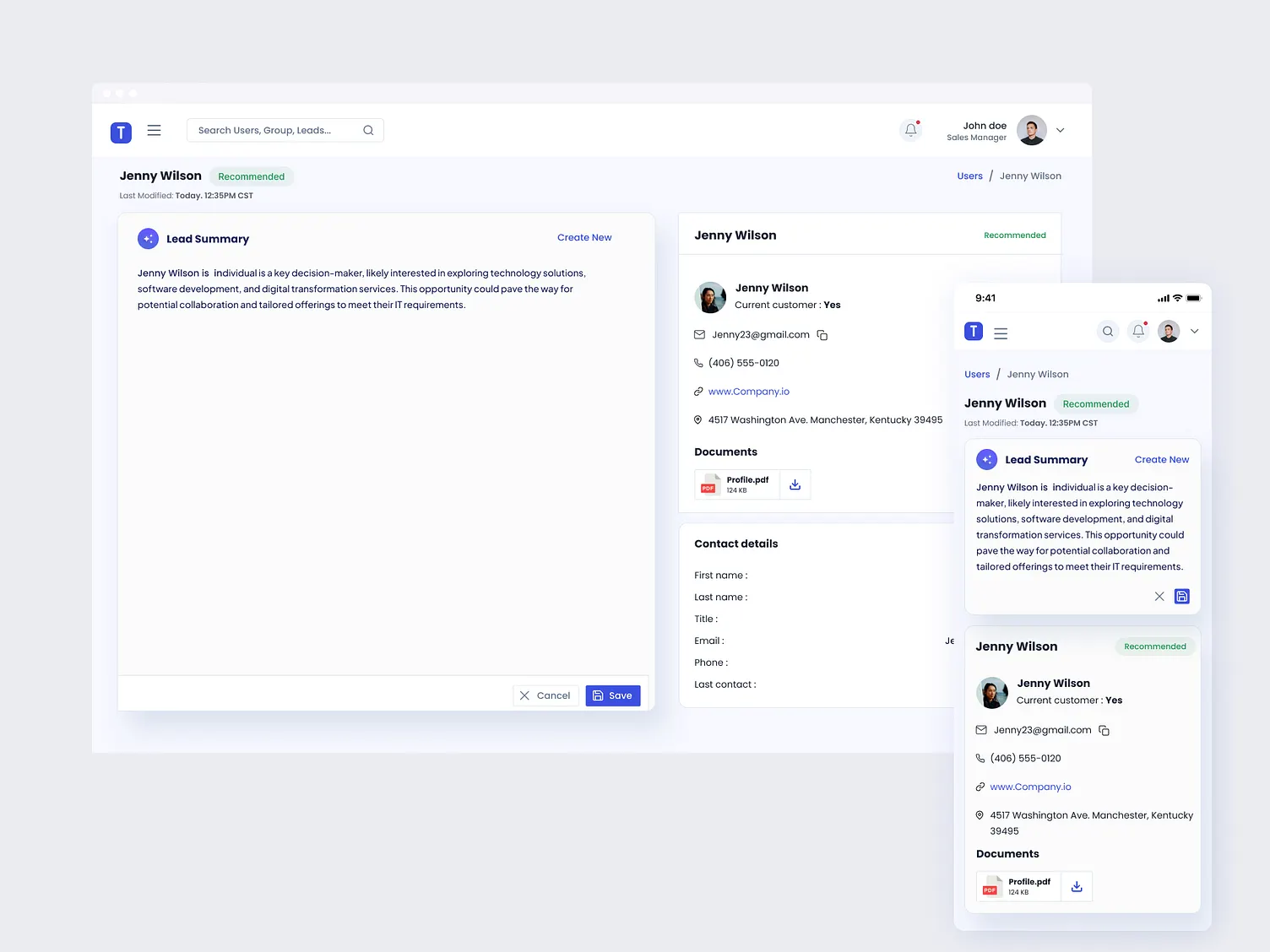
Most AI products fail because they treat an LLM as a novelty chat box slapped onto an old interface. I design AI-native interfaces that surface confidence intervals, provide inline editable suggestions, respect context windows, and give users total control over automated actions.
Bottlenecks
Friction I solve.
- Designing for non-deterministic AI latency and conversational streaming states
- Communicating model confidence without misleading users on edge-case hallucinations
- Creating granular human review controls (Accept, Edit, Reject, Rollback)
- Moving beyond generic chat interfaces into inline contextual workspace suggestions
Principles
Rules I design by.
- AI should propose, but the human must always dispose.
- Never hide what data was used to reach an AI conclusion; citation is trust.
- Latency states should feel purposeful: progressive token rendering and skeleton previews.
Deliverables
What you receive.
- AI Copilot & Inline Action Ergonomics
- Confidence Heuristic UI Frameworks
- Human-in-the-Loop Approval Workflows
- Generative Canvas & Contextual Cards
Proof
Proven in production.

Reading
Masterclass deep dives.

B2B SaaS9 min read
Designing Enterprise Software That People Don't Dread Opening on Monday Morning
Enterprise software earned a reputation for being grey, slow, and soul-crushing. But the generation entering the workforce today was raised on Slack, Linear, and Notion.

B2B SaaS8 min read
Cognitive Overload: How to Stop Treating Your B2B Users Like Data-Entry Robots
The 'Airplane Cockpit' syndrome happens when engineers try to give users maximum power by dumping 40 controls onto a single screen. Here is how to tame the chaos.
FAQ
Questions, answered.
Why is a chat interface often the wrong choice for enterprise AI?
Chat forces users to imagine prompt queries from scratch and review unstructured paragraphs. Contextual cards, inline diffs, and structured recommendation widgets are significantly faster for enterprise workflows.
How do you handle AI hallucinations in the UI?
By designing confidence thresholds that prompt the human when ambiguity is high, displaying explicit citations, and allowing 1-click manual inline overrides.